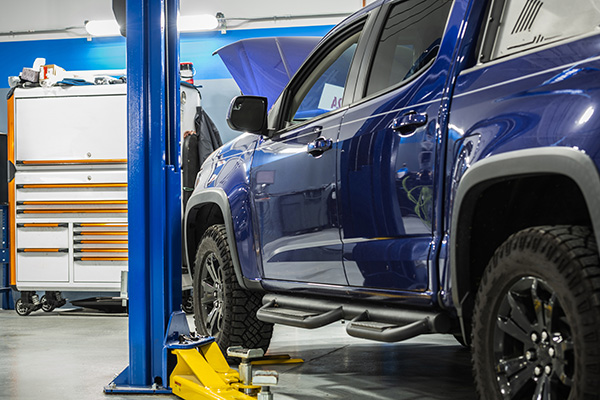
A pickup with high mileage doesn't need every part replaced at once. It needs a maintenance plan built around its engine, drivetrain, history, and the work it does.
A truck hauling equipment or towing regularly experiences different loads from one used mainly for light commuting. Age adds another layer as hoses, seals, and electrical connections go through years of temperature changes.
At Oswald Service and Repair, we review those conditions together. The result should be a schedule that keeps required service current and addresses developing problems before they interrupt the truck's work.
Build Your Pickup Maintenance Schedule From Its Engine and History
Identify the engine, transmission, drive system, and equipment. Trucks sharing a badge sometimes have different service requirements because their mechanical parts differ. Use the manufacturer's schedule for that configuration. Review the additional instructions for towing, heavy loads, dusty use, or frequent short trips when they match your driving.
Mileage alone doesn't show everything due. One truck reaching a major milestone already has current fluid service and cooling repairs; another has missing records. Bring the history so work is planned from what was actually completed.
If the records are incomplete, say so. Use the inspection and the manufacturer's requirements to establish a starting point instead of assuming service took place.
Oil service should follow both the required interval and specification. Heavy use, idling, and short trips sometimes fit a severe-service schedule even when annual mileage seems modest.
The lubricant has to meet the engine's approval, viscosity, and other requirements. Gasoline and diesel engines don't share one universal oil recommendation.
Check level between changes using the vehicle's procedure. If a truck is losing oil, record the rate and investigate the cause. Additions keep the required volume present, but they don't replace an oil and filter change or repair a leak.
An oil pressure warning while running requires a safe stop and shutdown. Don't treat that warning as permission to continue until the next scheduled service.
Transmission and Drivetrain Fluid Maintenance
The transmission, differential, and transfer case, where fitted, each have their own lubricant requirements. Towing and load instructions sometimes change the inspection or replacement schedule.
Review the correct fluid and service method for each component. A transmission filter, fluid exchange, and internal repair are different jobs. The condition and manufacturer procedure determine what the truck needs.
Shifting changes should be checked before choosing routine fluid service. Slipping, delayed engagement, or harsh shifts require testing. The maintenance schedule keeps a sound unit serviced; it doesn't identify the cause of an existing internal fault.
Look for drivetrain leaks as well. Residue around a housing or a new spot beneath the truck gives the inspection a place to begin before lubricant loss affects bearings and gears.
Cooling-System Checks as the Truck Ages
Hoses, fittings, radiator seams, pumps, and thermostat housings experience repeated heat cycles. A high-mileage truck needs those components reviewed along with coolant condition and level. A recurring need to add coolant requires a leak check. The source sometimes appears only under pressure or after the engine warms up. Waiting for a large puddle misses smaller losses that still threaten cooling. Follow the coolant specification and interval for the engine. Color alone doesn't establish compatibility.
If the temperature warning appears, stop safely and shut down. Leave hot caps closed and arrange help if the system isn't operating correctly. An overheating event also calls for reviewing the engine afterward, especially if it lost power or ran roughly.
Brakes, Tires, and Suspension Under Pickup Loads
Carrying weight changes what the brakes and tires must handle. Inspect pad wear, rotor condition, caliper release, and hydraulic concerns before relying on the truck for another loaded trip.
Use the vehicle's inflation and load instructions. The tire's sidewall maximum isn't a substitute for the truck's guidance. Assess structural damage, uneven wear, and pressure loss.
Suspension and steering parts also control wheel position. As they wear, joints, bushings, shocks, and related components can cause noise, unstable response, or tire wear.
Describe whether the truck behaves differently empty and loaded. A vibration that appears only while towing, or a pull that develops during braking, makes the complaint more specific.
High-Mileage Pickup Records and Engine Requirements
Track these details with dates and mileage:
- Engine oil and filter service
- Transmission, differential, and transfer-case work
- Coolant replacement and cooling repairs
- Brake measurements and completed repairs
- Tire rotations, replacements, and wear patterns
- Belts, hoses, and starting-system repairs
Include the part or fluid specification where it appears on the invoice. That information helps future visits avoid repeating work or overlooking a component that wasn't covered by an earlier general service description.
Gasoline engines have ignition components and plug intervals that need review. Diesel trucks bring different fuel-system, starting, and emissions-equipment requirements.
Fuel filters, water separation where fitted, glow or intake heating equipment, and diesel exhaust fluid systems have engine-specific instructions. Follow those requirements rather than borrowing a maintenance list from another diesel.
New warning messages should be checked promptly. Loss of power, difficult starting, or repeated filter warnings shift the plan from routine maintenance to troubleshooting.
Regular use around Idaho Falls and Rexburg also includes seasonal temperature changes. Explain how the truck is used throughout the year so starting, fluid, and cooling concerns are reviewed in context.
Building a Schedule You Can Keep
Group services when their intervals align, but record each component's due point separately. One oil change doesn't reset every other item.
Set reminders based on the next required date or mileage. Keep room in the plan for inspection findings and repairs as the truck ages.
A maintained high-mileage pickup still needs new symptoms checked. The schedule supports reliability when it follows the vehicle's requirements and changes with its condition.
Pickup Truck Maintenance at Oswald Service and Repair
Oswald Service and Repair serves drivers in Idaho Falls and Rexburg, ID. We can review your pickup's maintenance history, operating loads, and developing concerns to organize the next services and repairs.
Call Oswald Service and Repair to schedule a high-mileage pickup maintenance review and build a plan for the way your truck is used.